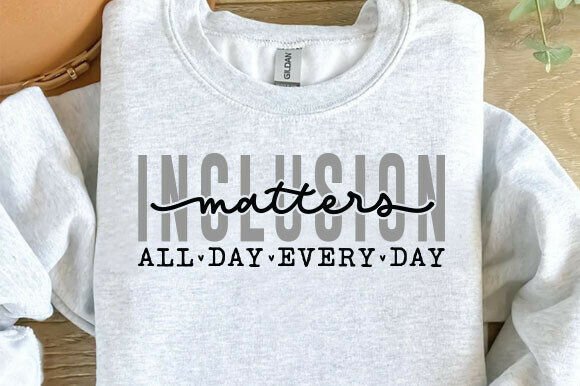
Inclusion PNG: Autism Awareness Design for Modern Projects
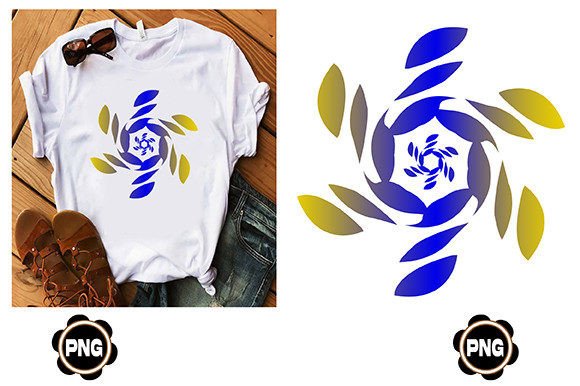
Design is a powerful tool for communication, and few messages are more vital than inclusion. For creators, marketers, and designers seeking to make a meaningful impact, an Inclusion PNG, Autism Awareness Design offers a versatile and profound visual asset. This digital design resource serves as a cornerstone for projects that aim to celebrate neurodiversity, foster understanding, and build a more welcoming visual landscape. Moving beyond generic imagery, it provides a professionally crafted symbol that can be seamlessly integrated into a wide array of creative projects, from personal merchandise to corporate branding initiatives.
The Role of Meaningful Visual Design in Communication
In modern graphic design, every element carries weight. A thoughtfully designed inclusion graphic does more than decorate; it communicates values, sparks dialogue, and builds emotional connections. For brands and organizations, incorporating such a design into their visual identity demonstrates a commitment to social responsibility and inclusivity. This strengthens brand identity by aligning visual communication with core principles, resonating deeply with audiences who value authenticity and social awareness. The design acts as a visual shorthand for welcome, support, and understanding, making complex ideas accessible at a glance.
Practical Applications Across Creative Fields
The true value of this asset lies in its adaptability. As a high-resolution PNG file with a transparent background, it functions as a plug-and-play element for countless projects. Its compatibility with major formats like SVG, DXF, and EPS ensures it works flawlessly within professional design workflows.
- Branding and Logo Design: Integrate the motif into logos, brand marks, or sub-marks for organizations focused on education, therapy, advocacy, or community services.
- Marketing and Social Media Graphics: Create impactful posters, flyers, social media posts, and digital ads that promote awareness campaigns, events, or inclusive workplace initiatives.
- Merchandise and Packaging: Apply the design to t-shirts, tote bags, mugs, and stickers for fundraisers, support groups, or inclusive product lines.
- Digital and Web Design: Use as a UI element, icon, or illustration within websites, apps, and presentations to create a welcoming user experience.
- Editorial and Print Design: Enhance brochures, reports, greeting cards, and framed artwork with a symbol that carries significant meaning.
Tips for Effective Implementation
Integrating any new design element requires thoughtful consideration to maintain a polished and professional result. When using an autism awareness design, consider these factors for maximum impact:
- Context and Audience: Ensure the design’s application aligns with the audience’s expectations and the project’s goals. A corporate report may use it subtly in an infographic, while a community event poster might feature it prominently.
- Visual Hierarchy and Composition: The design should complement, not overpower, your core message. Use principles of scale, contrast, and placement to guide the viewer’s eye. Pair it with clean typography and a harmonious color palette that respects the design’s existing hues.
- Consistency and Scalability: As a vector-based file (in formats like SVG and EPS), the design scales perfectly from a small favicon to a large banner without losing quality. Maintain consistent styling across all applications to strengthen brand recall.
- Technical Compatibility: The provided ZIP folder contains files optimized for popular cutting machines like Cricut and Silhouette, as well as standard design software. Always test files in your specific program to ensure compatibility and color accuracy, noting that monitor settings and printing methods can cause slight variations.
Ultimately, the most effective designs are those that serve a purpose beyond aesthetics. They facilitate connection, convey respect, and contribute to a larger narrative. By choosing a high-quality, purpose-driven asset like this, you equip your creative toolkit with more than just a graphic—you gain a component for building visual stories that matter. Thoughtful selection and application of such resources elevate both the aesthetic quality and communicative power of your work, ensuring your projects not only look professional but also resonate with intention and heart.